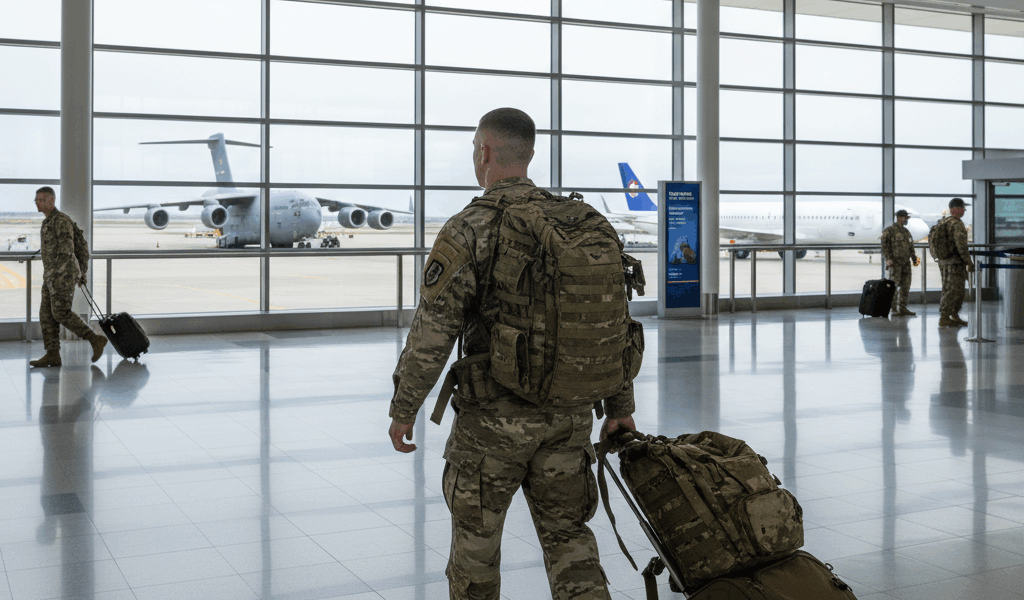
Understanding the Different Types of Military TDY and What Each Means for You
As someone who has navigated every flavor of TDY the military can throw at you, I can tell you this: not all temporary duty assignments work the same way or provide the same benefits. I learned everything through confusion, surprised pay stubs, and more than a few calls to finance. Let me save you that education.

Standard TDY
Probably should have led with this since it’s what most people encounter: the most common type sends you to another location for a specific mission, training event, or temporary assignment. Duration typically ranges from a few days to 179 days maximum. You receive per diem for lodging and meals based on your destination’s rates, and standard travel expenses are fully reimbursable with proper documentation.
Standard TDY maintains your home station assignment throughout. You return after completing the temporary mission, and your permanent duty station remains unchanged. Your family stays in place, and your career progression continues as normal.
Permissive TDY
Permissive TDY authorizes absence from your duty station but doesn’t provide per diem or travel reimbursement for most expenses. Common uses include house hunting before a PCS move, attending professional development events on your own initiative, or handling personal matters that require travel but benefit the military indirectly.
That’s what makes permissive TDY endearing to us despite the costs: while expenses come out of your own pocket, permissive TDY provides authorized absence without burning precious leave days. The trade-off makes sense in many situations where you need the time but can afford the expense.

Funded TDY for Training
Professional military education and technical training often use funded TDY status with specific rules. Has gotten complicated with all the different training locations and course types, but these assignments may include different entitlements than standard TDY, depending on course length, location, and whether government quarters are available on the training installation.
Training TDY sometimes provides partial per diem when government quarters and dining facilities are available and expected to be used. Understanding your specific orders prevents surprises about expected out-of-pocket costs versus what’s covered.
TDY En Route to PCS
When training occurs between permanent duty stations, you may travel in TDY-en-route status. This combines elements of TDY and PCS moves, with specific rules about entitlements, allowances, and how time is calculated for various benefits.
Coordination between your losing, gaining, and training units ensures proper orders and complete reimbursement. Proactive communication prevents the financial headaches that often accompany these complex travel situations.
Extended TDY Beyond 180 Days
TDY assignments exceeding 180 days trigger different rules and may convert to other status types. Per diem rates may reduce after certain thresholds, and some entitlements change based on duration. Extended TDY sometimes converts to temporary change of station status, which carries different benefits, requirements, and implications for your career.
Understand the rules governing your specific situation before making lodging and lifestyle decisions that assume standard TDY entitlements continue indefinitely. Your finance office can explain exactly what applies to your orders.
Getting the Details Right
Your orders specify your TDY type and applicable entitlements in detail. Read them carefully before departure. Ask questions about anything unclear. Finance offices and travel administrators exist to help you understand your benefits and obligations. Knowing what type of TDY you’re on prevents financial surprises and helps you plan appropriately for the duration.



Leave a Reply