OCONUS TDY Is a Different Animal
OCONUS TDY has gotten complicated with all the assumptions people bring from their domestic travel experience. As someone who’s navigated orders to Germany, Japan, and a few stops in between, I learned everything there is to know about what makes international military travel genuinely different from booking a hotel in San Antonio. Today, I’ll share it all with you.
Domestic TDY involves booking a hotel and submitting a voucher. OCONUS TDY involves passports, Status of Forces Agreements, currency exchange, per diem in foreign currencies, host nation requirements, and potentially restricted communication that none of your CONUS TDY experience prepared you for. Getting this right before you leave prevents the kind of problems that can’t be fixed from a hotel room in Germany.
The Documents You Actually Need
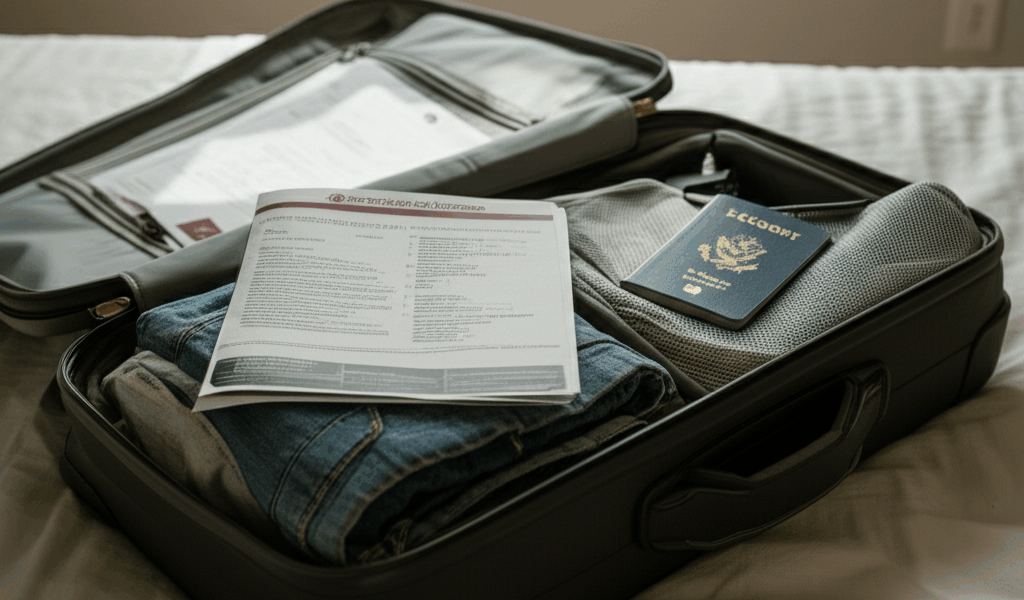
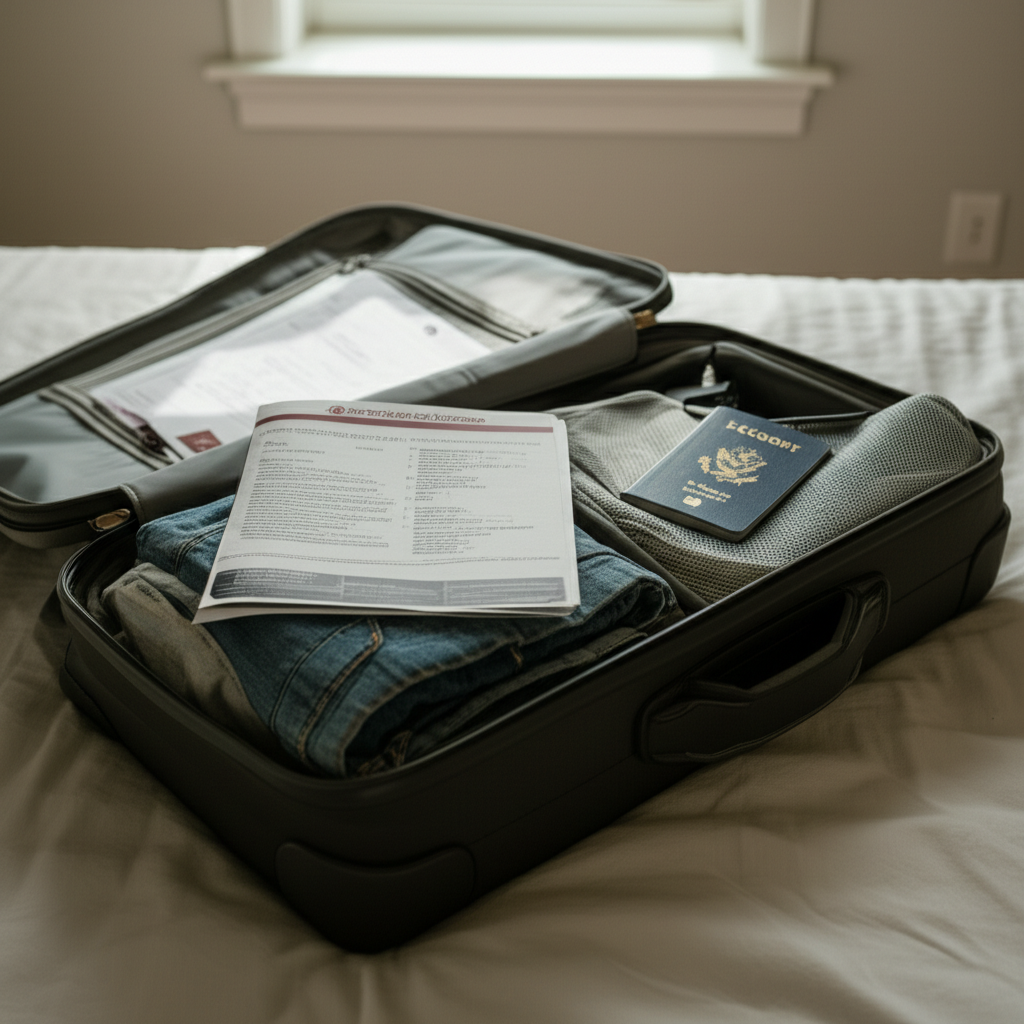
The No-Fee Passport is the one that trips people up most often — it’s the government-issued passport for official travel, separate from your personal passport, and it takes time to process. If your orders are issued with short lead time, verify passport status immediately. Some OCONUS assignments require a personal passport in addition to the no-fee passport for leave travel or certain host nation entry requirements. Verify both.
That’s what makes the passport situation endearing to experienced OCONUS travelers — the people who have both documents ready before departure treat it as a minor administrative detail. The ones who discover on the week of travel that their no-fee passport is expired treat it as a crisis, and it sometimes is.
Per Diem for OCONUS: It Works Differently
OCONUS per diem rates are set by the State Department and vary significantly by country and sometimes by city within a country. The rate for Frankfurt is different from the rate for rural Germany. The rate for Tokyo is higher than most CONUS rates. Check the actual rate for your specific location using the State Department per diem tables — not a general estimate and not what a colleague paid last year, because rates change.
Currency and the Cash Reality
I’m apparently someone who arrived at my first OCONUS TDY with insufficient local currency and spent the first half-day managing the exchange rate situation rather than reporting to the assignment. Most installations and commercial areas have ATMs, but “most” isn’t “all,” and the fee structures matter when you’re exchanging regularly throughout a trip. Having local currency for the first 24 hours is worth more than the exchange rate convenience of figuring it out on arrival.
Communication Restrictions and What to Verify
Probably should have led with this, honestly: some OCONUS assignments include communication restrictions that don’t exist for domestic TDY. Personal devices may be restricted in certain facilities. VPN use on host nation networks may be prohibited or limited. The classified environment rules are different from what you’re used to at your home installation. Verify communication policy with your gaining unit before departure — not after you’ve arrived and set up your workspace.



Leave a Reply